A new ordinance, funding commitment, or the launch of a housing program offers a clear marker of progress. These visible outcomes rest on months or years of less visible work: gathering evidence, building relationships, organizing residents, coordinating public agencies, designing implementation systems, and finding a path forward when political or economic conditions change. Adoption is one point in that longer journey. The work of implementation—building the systems, staffing, funding, outreach, enforcement, and accountability needed to carry a policy into practice—often determines whether its promise reaches the people it was designed to serve.
Partnership for the Bay’s Future’s (PBF) Policy Fund supports local governments and community-based organizations (CBOs) to advance equitable housing policy while strengthening the relationships, capacity, and regional network needed to carry that work forward. Evaluation is built into each cohort of the Policy Fund to understand how that work unfolds across different places. What helps site teams make progress? Where do they encounter barriers? And what can PBF and the broader housing field learn from their experience?
Those questions are at the center of a midpoint evaluation of the third cohort of the Policy Fund. During Cohort 3’s first year, nine site teams across the Bay Area pursued policies related to affordable housing production and preservation, as well as tenant protections. Each site team brings together a local government and one or more community-based organizations to develop policy, with a PBF Fellow embedded within the government to add capacity and help move the work forward. Site teams also receive funding, technical assistance, and opportunities to learn from peers across the region.
The evaluation, conducted approximately halfway through the two-year cohort, draws largely on site team reflections and data reported by the Fellows. The figures below measure different kinds of progress, reflecting how widely the teams vary in their policy goals and where they currently sit in the policy process.
By the Numbers
15
Programs implemented or piloted
54
Reports and research products
43
Public meetings and community events
$3.4 million+
Secured or leveraged for housing-related work
Taken together, the first-year findings point to a central lesson for the housing field: equitable policy change requires sustained capacity, durable relationships, and enough flexibility to respond when the path changes.
Policy Progress Takes Different Forms
A housing policy can spend years moving through research, agenda setting, public deliberation, adoption, implementation, and monitoring. Site teams working at different stages will produce different results during the same period, and the pace of their work will also depend on whether they need legislative approval, administrative action, new funding, or a complicated development process.
Several Cohort 3 site teams used the first year to build the evidence and institutional foundation for future decisions. In San Francisco, the site team combined public records, departmental information, provider data, and original research into five databases about single-room occupancy (SRO) housing. More than 50 interviews with city employees, nonprofit developers, service providers, consultants, and other experts helped the team assemble one of the city’s most comprehensive collections of SRO information to date. Presenting that work to agencies and housing organizations also created new connections among stakeholders who had previously held separate pieces of the picture.
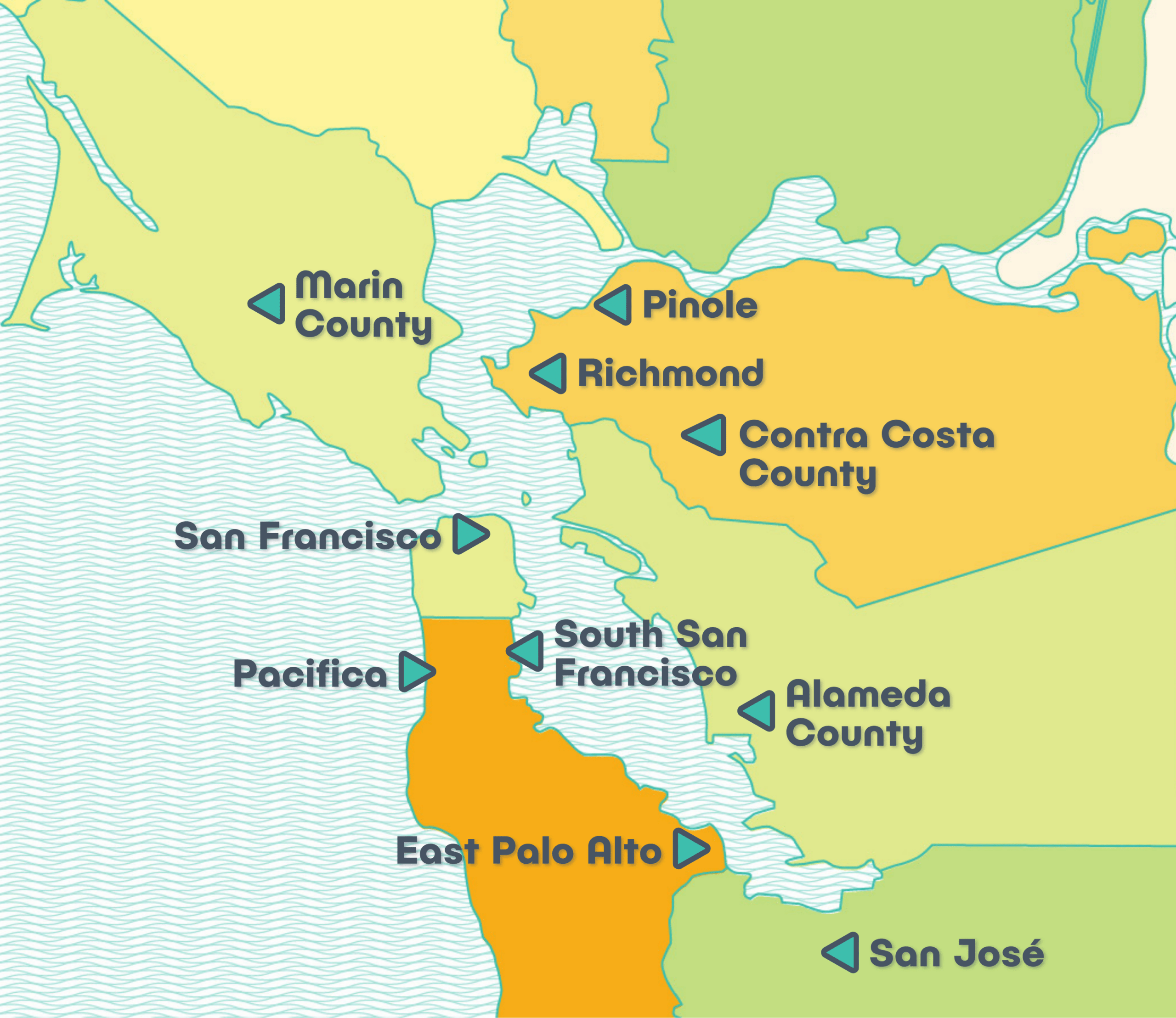
Other site teams entered the cohort with policies or programs already authorized and concentrated on putting them into practice. East Palo Alto secured more than $2 million in city funding for an affordable housing preservation program, prepared to pilot its local preference policy at a new affordable housing development, and began extensive research into a rental registry. Pacifica brought its density bonus ordinance into compliance with state law while creating a public tracker that identifies deadlines, staffing needs, and progress on the city’s Housing Element commitments.
Housing development operates on an even longer timeline. In North Richmond, the Housing Authority of the County of Contra Costa, RichmondLAND, and the Community Housing Development Corporation are building on work advanced through the second Policy Fund cohort to redevelop the former Las Deltas public housing community. During Cohort 3’s first year, a priority policy led to 13 of 18 market-rate properties being sold to former Las Deltas residents or North Richmond community members. The site team also secured early funding and professional support to explore an EcoVillage development, while planning continues for the larger redevelopment, which is expected to create roughly 240 homes. The broader work will continue to require design, financing, public approvals, and sustained community engagement beyond this cohort.
These examples reinforce the need for several measures of policy progress. A council vote or completed development offers one kind of evidence, while a credible dataset, a funded implementation plan, a new administrative system, an organized base of residents, or agreement across several public departments may be what makes a later policy win possible. Implementation is also a substantive phase of policymaking in its own right. Once a policy is adopted, local agencies and community partners still have to translate it into operating rules, staffing, funding, outreach, data systems, enforcement, and continued community input. The quality of that work can shape whether a policy is accessible, durable, and effective for the people it is intended to serve.
Collaboration Requires Infrastructure
Community-government partnership depends on sustained coordination and involves a considerable amount of labor. Cohort 3 site teams reported 677 meetings connected to their policy goals during the cohort’s first year, along with 459 meetings involving multiple government departments. Those numbers provide a glimpse of the coordination required before many public-facing decisions can occur.
Equitable policy change requires sustained capacity, durable relationships, and enough flexibility to respond when the path changes.
Each partner brings knowledge that the others may lack. Public employees understand agency procedures, legal constraints, budgets, and implementation responsibilities. CBOs contribute trusted relationships, organizing experience, and knowledge rooted in the experiences of residents who will live with the results.
Bringing those forms of expertise together takes time, especially when community organizations have spent years challenging public agencies or advocating on behalf of residents harmed by earlier government decisions. Effective collaboration requires clear roles, shared goals, transparent decision-making, and agreement about how community input will shape the work. Several site teams reported that early investment in these relationships helped them manage later disagreements and changes. When turnover disrupted a partnership, site teams had to rebuild that foundation by onboarding new participants, revisiting responsibilities, and realigning around the policy goal.
Meaningful participation carries real costs as well. Site teams described door-to-door outreach, language access, tenant education, accessible meetings, surveys, and repeated communication about complicated policy choices. Technical assistance grants helped site teams pay for Spanish translation, data expertise, and software development, among other specialized needs. Those resources influence who can participate, how fully community knowledge informs a policy, and whether an adopted program can function as intended.
Fellows Power the Inside-Outside Strategy
Fellows occupy a distinctive position in the Policy Fund model: they work inside local government while partnering closely with community-based organizations. This embedded role allows Fellows to navigate government processes, coordinate across departments, and help facilitate collaboration between public agencies and community partners.
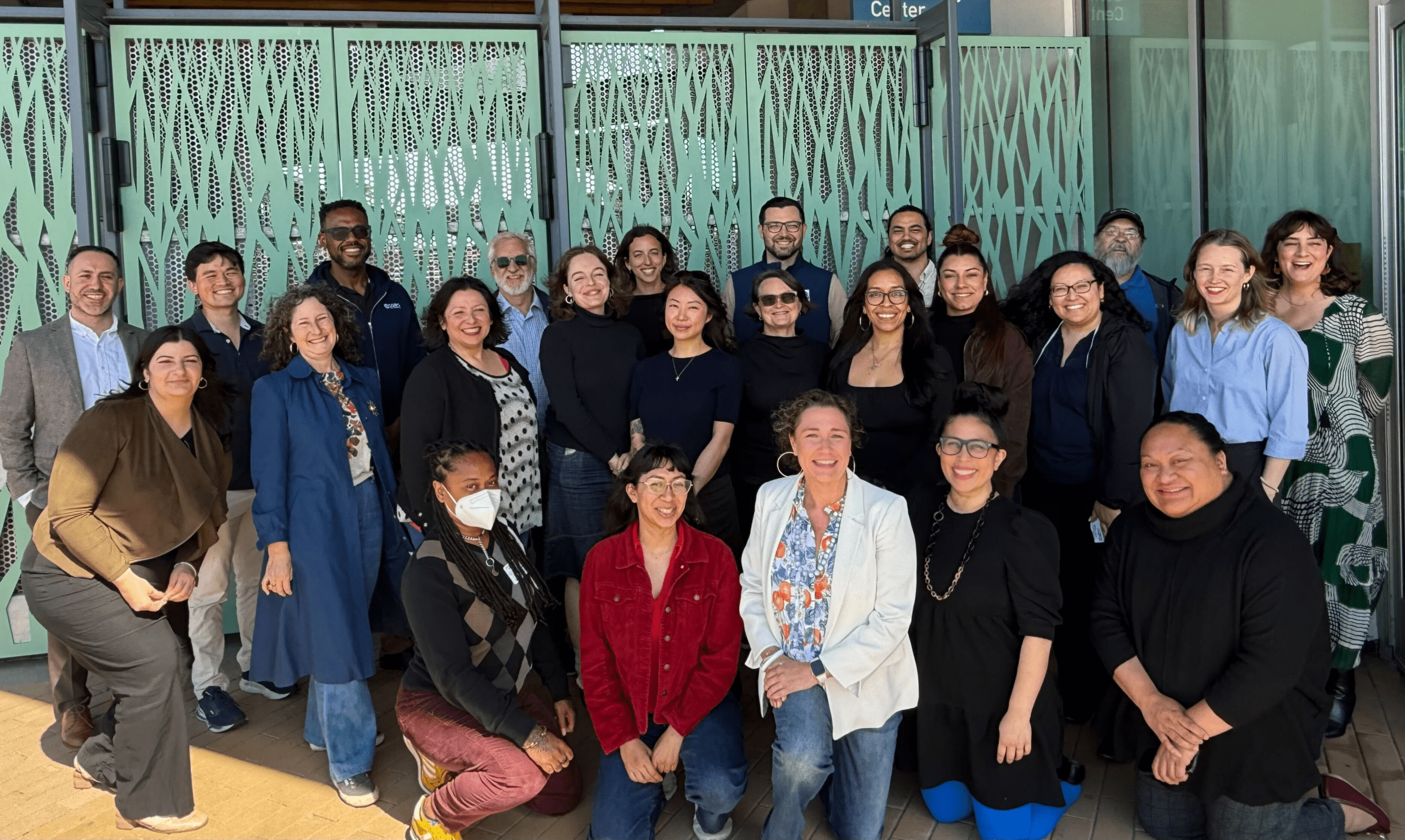
Cohort 3 participants described Fellows as researchers, relationship managers, conveners, and project leaders. Their work included coordinating departments, maintaining partnerships, developing data systems, supporting public outreach, and advancing assignments that might otherwise remain outside the capacity of existing staff. Working within a government-community partnership also positions Fellows to support communication and coordination between partners that bring different forms of knowledge, experience, and institutional access to the work.
That inside-outside role becomes especially valuable when a policy touches multiple systems. A rental registry can require coordination among housing staff, attorneys, code-enforcement officials, software vendors, landlords, and tenants. Preservation work may involve property data, public financing, nonprofit developers, and outreach to owners and residents. Redevelopment can bring together land-use rules, infrastructure, design, financing, relocation history, and several layers of public authority.
PBF’s broader structure reinforces the Fellow’s role through grants to CBOs, technical assistance, cohort convenings, and a regional network of practitioners working on related challenges. Earlier Policy Fund evaluations reached similar conclusions about the value of combining an embedded Fellow with funding, technical expertise, and an inside-outside partnership between government and community. These elements give site teams additional capacity to move complex policy work forward while supporting sustained collaboration between government and community partners.
Effective Policy Teams Adjust to Changing Conditions
It is incredibly rare for site teams to work in a static environment, given staff turnover, canceled funding, political resistance, emerging opportunities, and shifts in community participation. The evaluation shows site teams revisiting their plans in response, sometimes pursuing an opening that had not existed when the cohort began and sometimes slowing down to protect the quality or equity of the eventual result.
San José halted one line of work after a federal grant was canceled and shifted attention toward housing opportunities on land owned by faith-based organizations. Elsewhere, CBOs reported that some tenants and immigrant families had become more cautious about visible public participation, requiring site teams to reconsider how they invited residents into the process.
Adapting to changing conditions is often necessary, but those shifts can involve tradeoffs. In some cases, site teams adjusted their strategies in ways that moved them further from their original equity goals while still preserving a path for the work to continue. Multi-year support gives teams more time to respond thoughtfully to disruption, though the experience of Cohort 3 also suggests that a two-year grant period may not be long enough to absorb larger ecosystem changes or fully recover from major setbacks.
The Next Challenge: Make the Work Durable
With roughly one year remaining in Cohort 3 at the time of the evaluation, site teams had begun asking what would sustain their policies and partnerships after the formal grant period. Some were already pursuing concrete strategies, including permanent public offices, recurring funding mechanisms, funding notices, and clearer assignment of responsibility within government. Others had developed durable relationships and long-term ambitions without yet determining how to maintain the partnership infrastructure that PBF currently provides.
Visible policy wins are built through the patient work of connecting people, institutions, evidence, and resources over time.
The evaluation’s sustainability findings remain preliminary because the evaluators discussed the topic with four of the nine site teams. Even with that limitation, the early conversations raise questions that deserve attention during the cohort’s second year. Who will manage a policy once the Fellow’s term ends? How will community organizations be resourced to remain involved in implementation and oversight? Can programs be embedded in agency budgets, staffing structures, and standard procedures? What will help partnerships survive leadership changes or another difficult funding cycle?
These questions reach beyond whether a policy is adopted. Implementation, enforcement, public accountability, and continued community participation determine what the policy ultimately accomplishes. Building durability requires planning while the partnership is still active, along with resources that can carry the work from a promising initiative into an enduring public system.
Supporting the Full Policy Journey
The first year of Cohort 3 has brought greater visibility to the full policy journey, from identifying a problem and building support to adoption, implementation, and long-term sustainability. Research can give site teams a clearer understanding of a housing challenge and the evidence needed to shape a response. Relationships allow partners to work through competing interests and longstanding distrust. Dedicated capacity keeps agencies, organizations, and residents connected. Technical assistance supplies expertise that may not exist inside the partnership, while flexible funding allows site teams to respond to opportunities and setbacks without abandoning their goals.
Together, these elements form a practical infrastructure for equitable housing policy. They also make the case for sustained investment in a fourth Policy Fund cohort. Another cohort would give new or returning Bay Area governments and CBOs the capacity to develop locally grounded solutions, learn from peers, and support policies through the full journey from development and adoption to implementation, monitoring, and long-term sustainability. That continued support is essential because the impact of a policy depends on what happens after it passes: whether agencies have the capacity to administer it, community partners remain involved, residents can access its benefits, and the systems needed to sustain it are in place.
Cohort 3 still has much work ahead, and its final evaluation will offer a fuller picture of policy outcomes, community-government collaboration, and long-term sustainability. The lessons emerging now already offer something useful to the field: visible policy wins are built through the patient work of connecting people, institutions, evidence, and resources over time.
